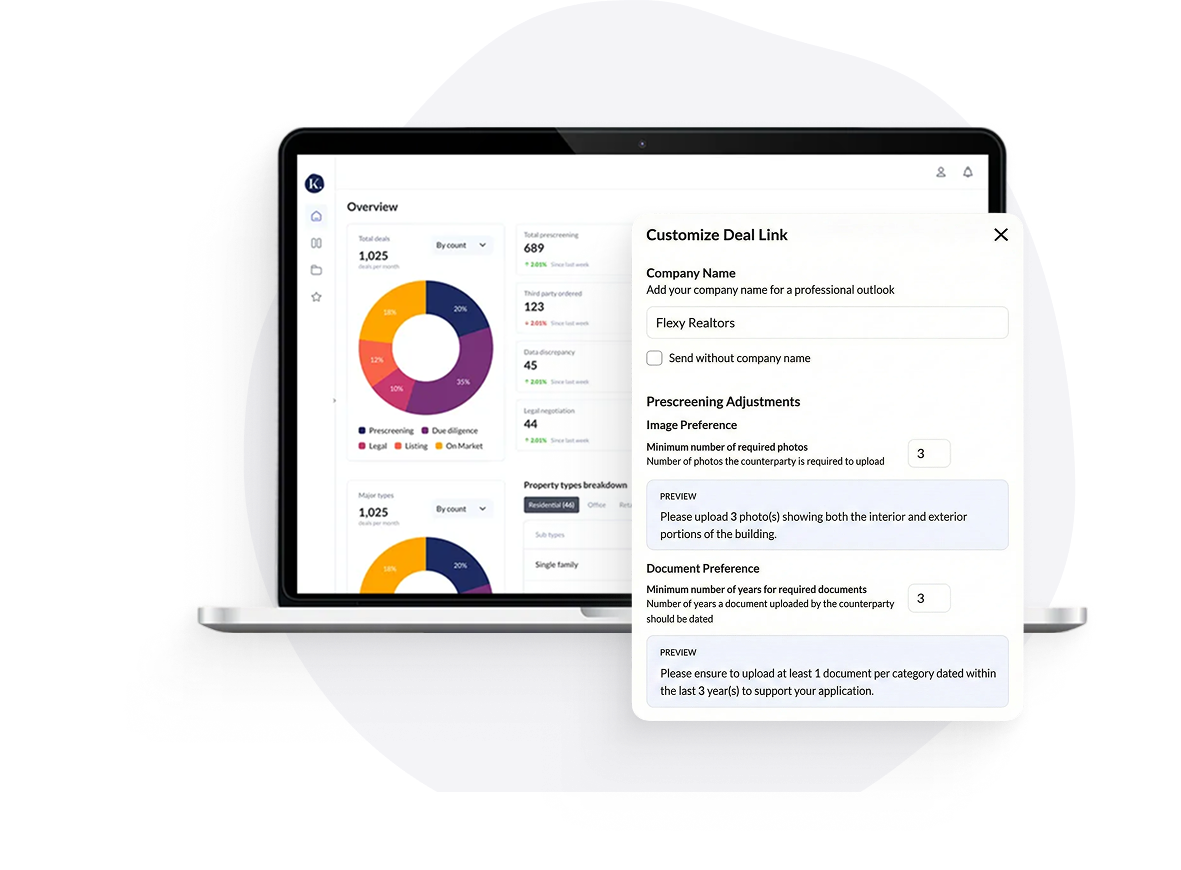
Close: Every Data Point Locked Before You Sign
The closing week compresses months of work into the shortest, highest-stakes, most error-prone window in the deal. Fatigue peaks, small things get missed, and everyone hopes they caught the biggest problems on no sleep. Those days are over.
.png)
The Final Week Carries the Most Risk
Closing Runs on Memory. It Should Run on a Record.
Problem
For decades, closing has run on Excel and Word DD checklists, with every new document version manually checked by someone trying to remember what was agreed on the fly. Checklists fall apart. Sleep-deprived memory takes over when the stakes are highest:
- Documents get generated from whoever's version of the data reached the drafter first, not from a locked source
- Terms agreed in a Tuesday meeting quietly change in a Thursday draft, and nobody catches it until after signing
- Attorneys and brokers wait on the deal team; the deal team waits on the attorneys; both wait on documents nobody's fully verified
- A sleep-deprived team reviewing the same documents dozens of times will miss what memory alone can't hold
- The last-minute errors that surface after close are often the most expensive ones to fix
Solution
KOPA Hub Verus Close Suite solves the problem at its root, giving the final week the coordination system it's never had. One locked record. Every task attributed. Every data point confirmed:
- Each team members can verify and check all final data points, ensuring everyone agrees on truth before close happens
- MD/Executive can conduct review and approval from anywhere
- Audit log tracks each data point, each change, and each reason
- No context switching with ability to review from deal overview down to individual data points and issues with one click
- Questions can be tagged to specific team members inside system
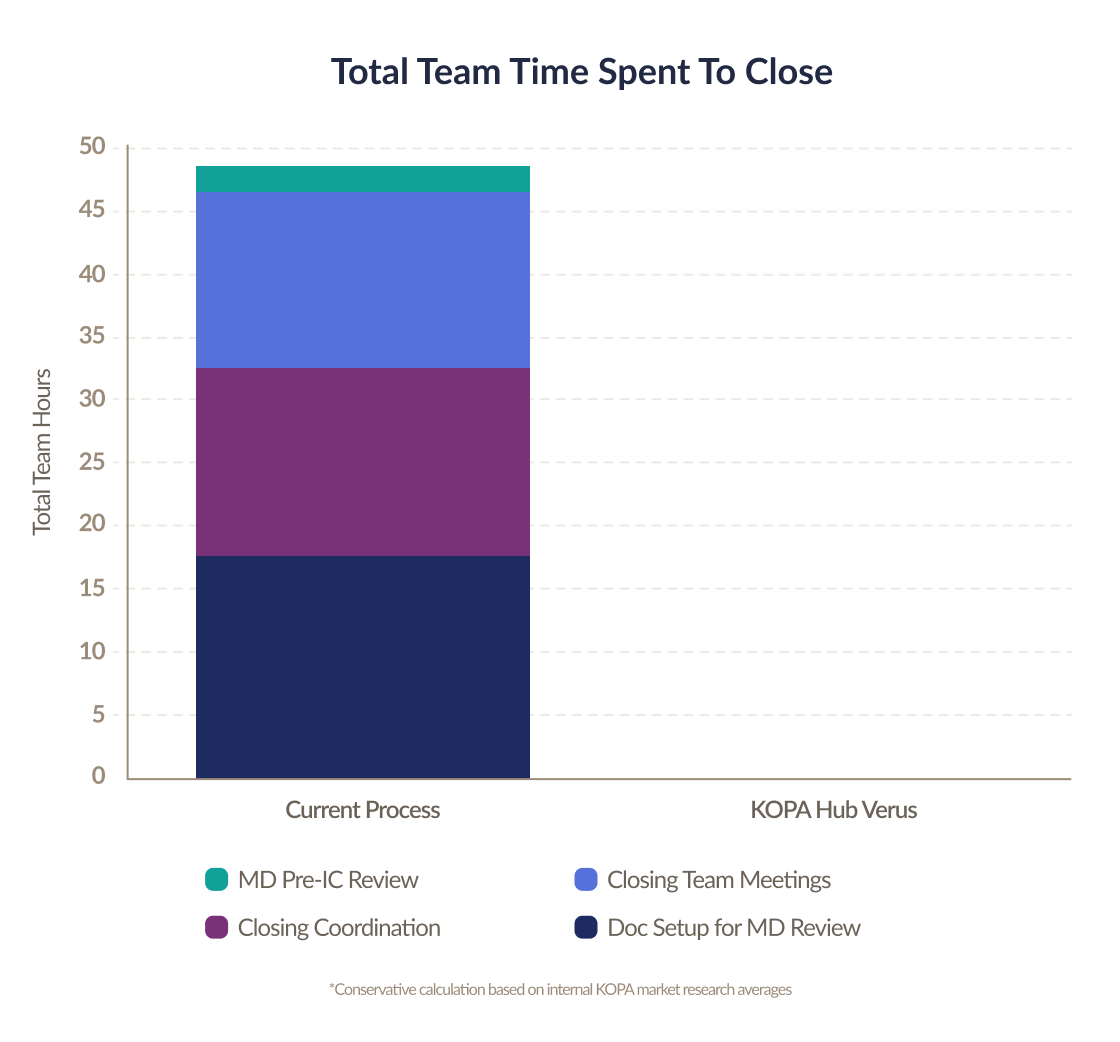
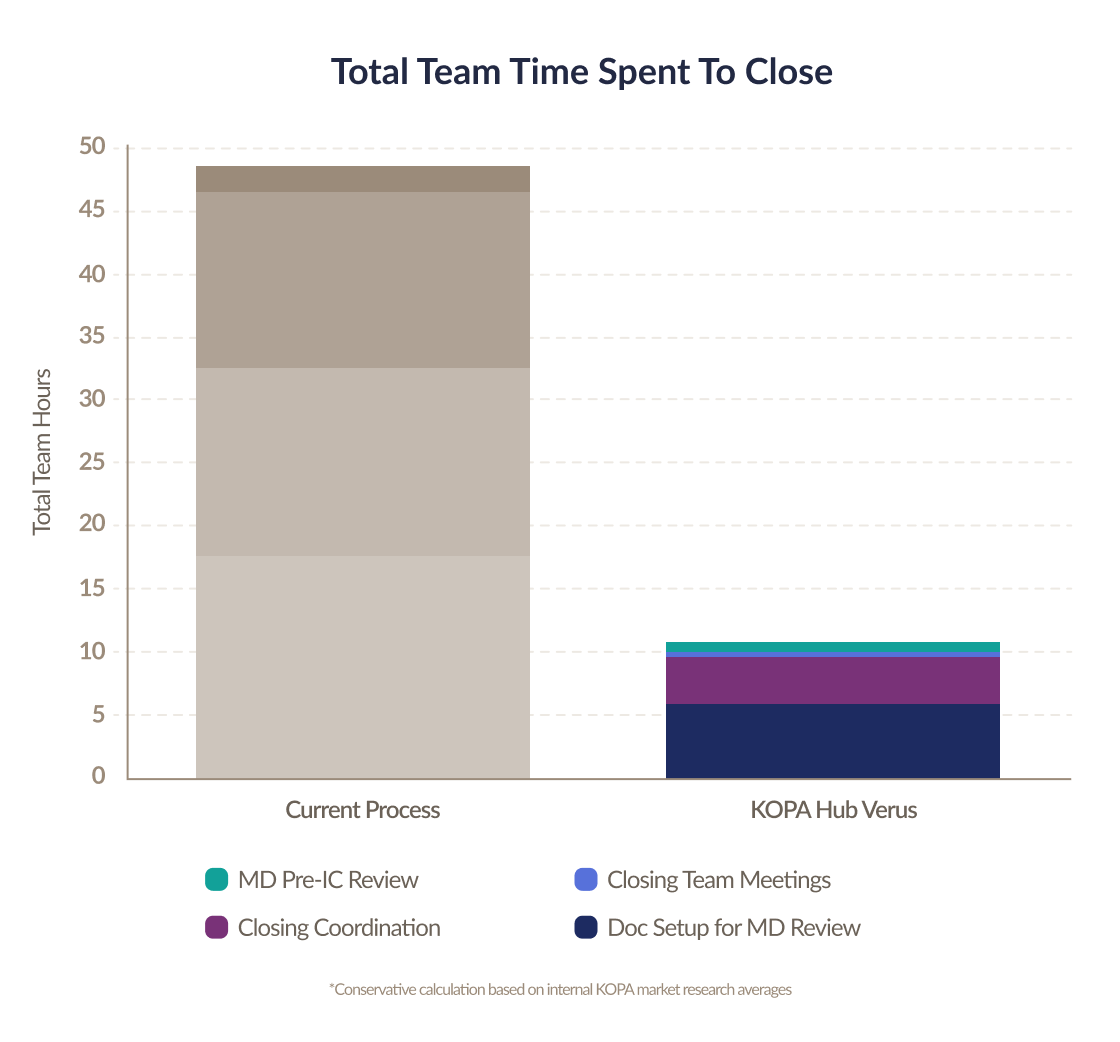
4.5x
Faster than current process, with no misses
Every Detail. Every Signature.
Close Without the Risk of a Miss
Every Document Built From the Same Locked Data
By the time a deal reaches Close, the data has already been verified. Closing Engine locks it, then builds from it. 51,000+ data points pass through it from a single source of truth, driving a 99% error reduction rate. Nothing generates from a separate file, a different version, or someone's memory of what was agreed.
Nothing Advances Until It's Logged and Attested
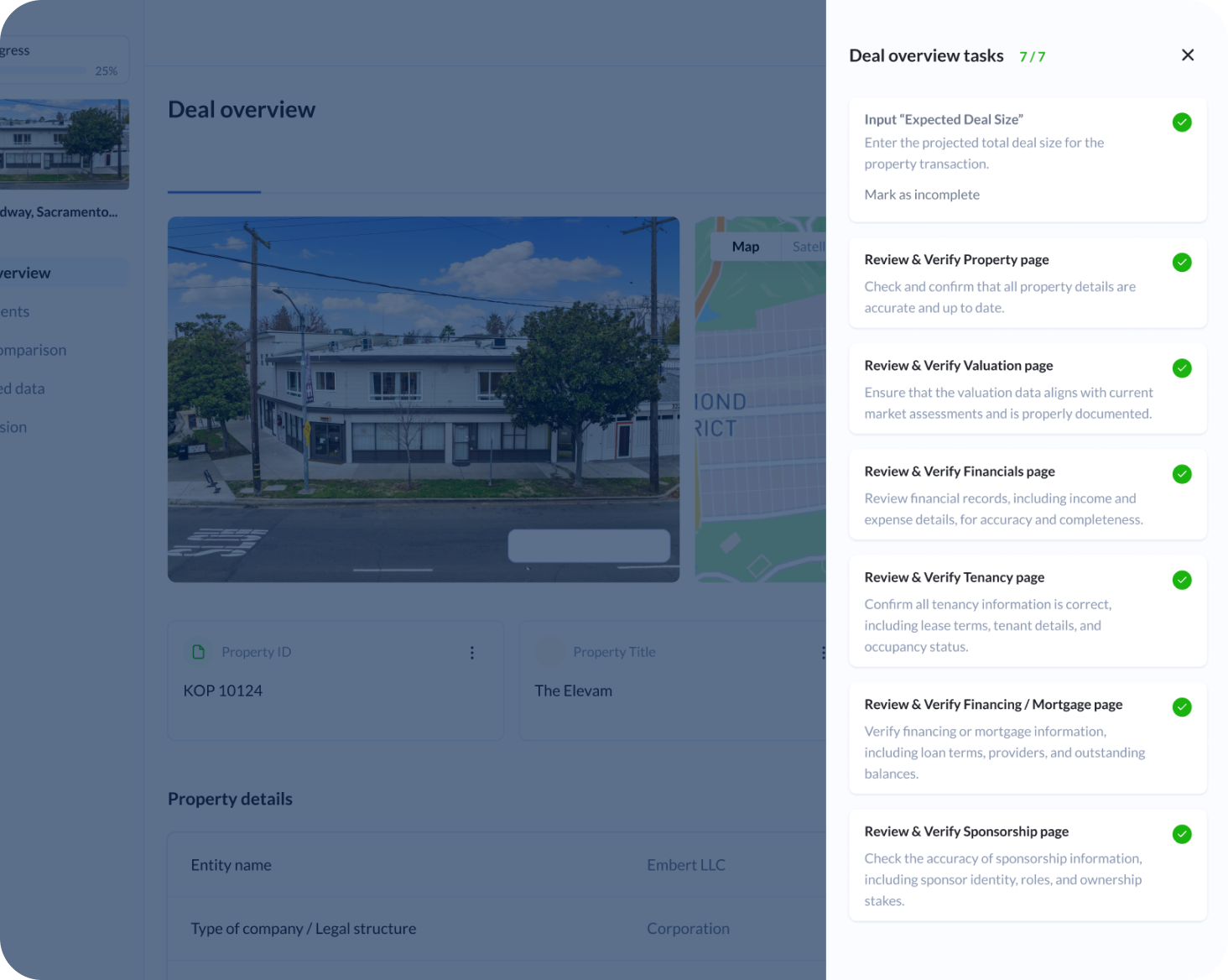
Action Tracker forces every closing task into the record: who did it, when, and whether it's actually done. Across 30+ purpose-built closing tasks, tasks populate at each stage and re-trigger on new uploads. Nothing slips through in the scramble and entire team has full visibility to collaborate and ensure all perspectives are considered.
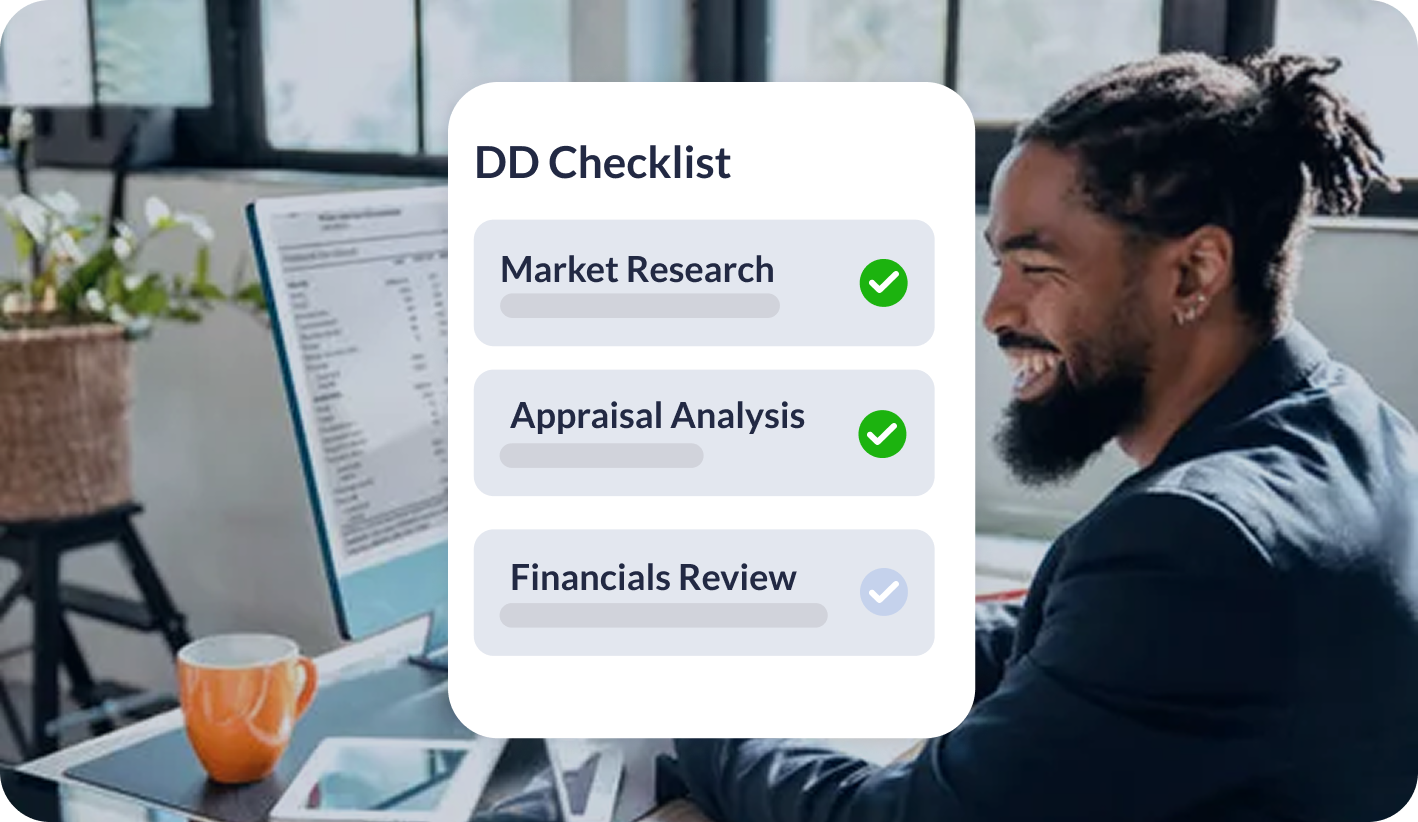
One Look Tells You It's Correct
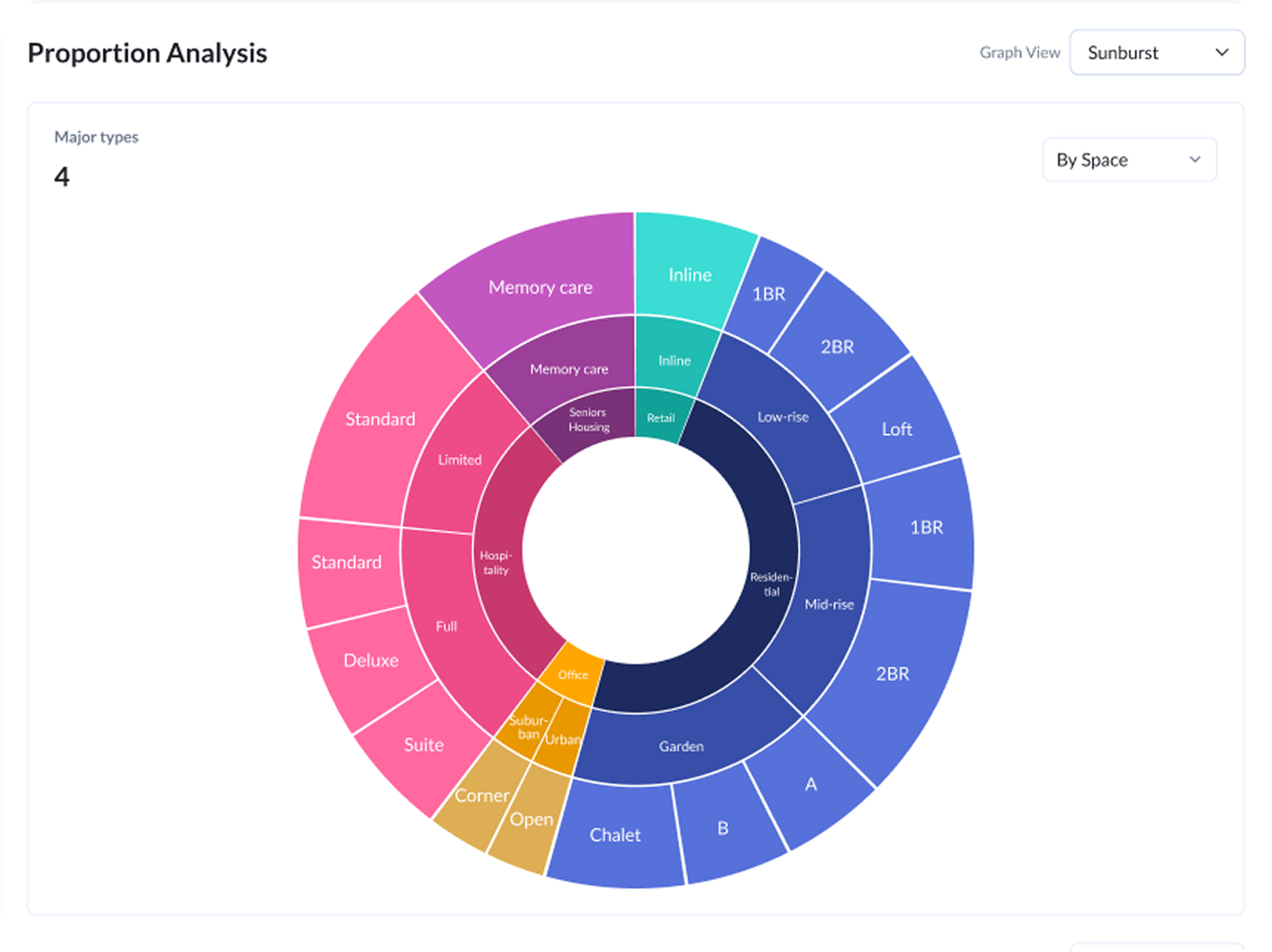
At close, nobody has time to re-check everything by hand. Quantum Grid gives the team a live read on where the deal actually stands. If everything looks right, it is right — because the model stays current based on the Primary Truth, not stale.
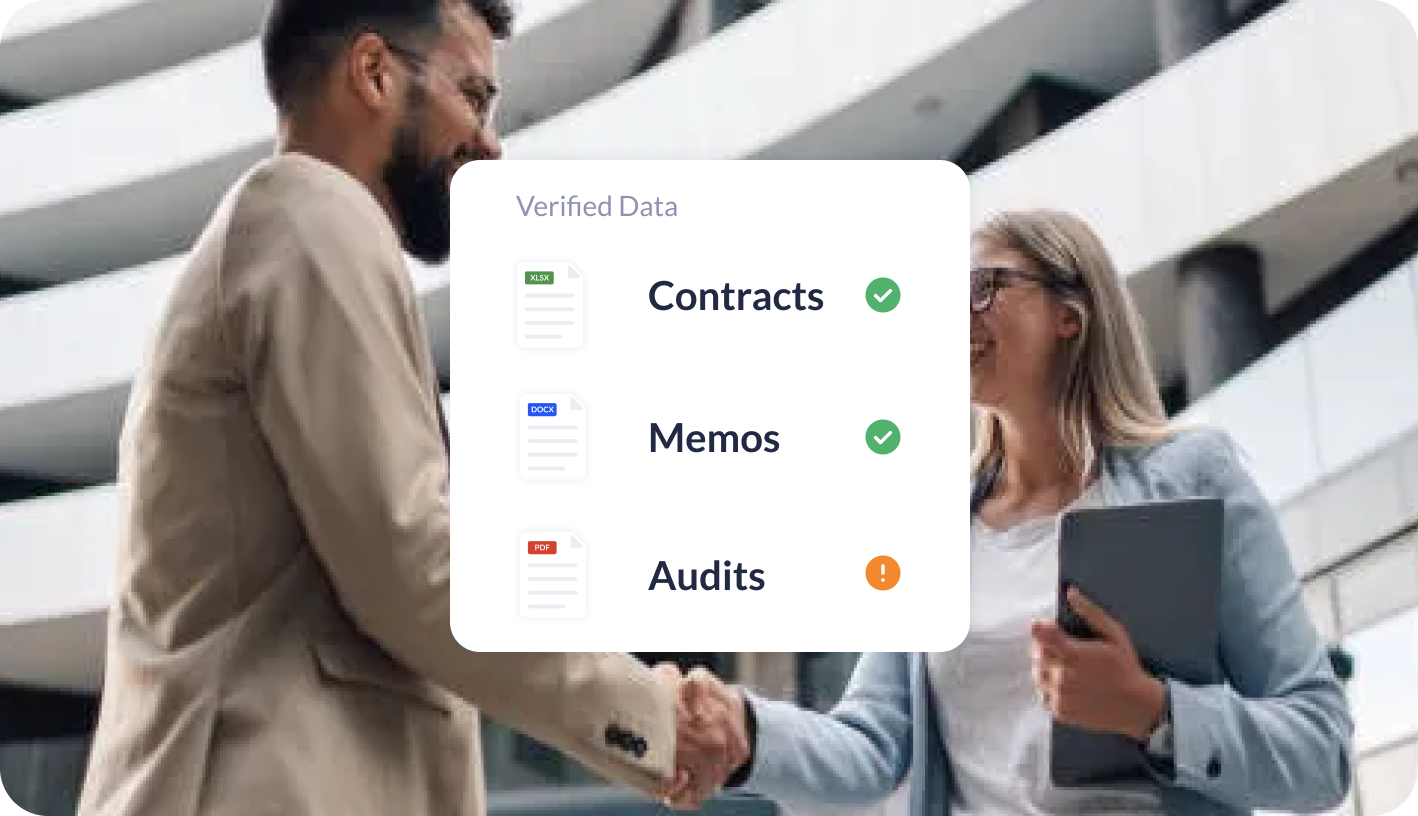
Closing Becomes a Process, Not a Sprint
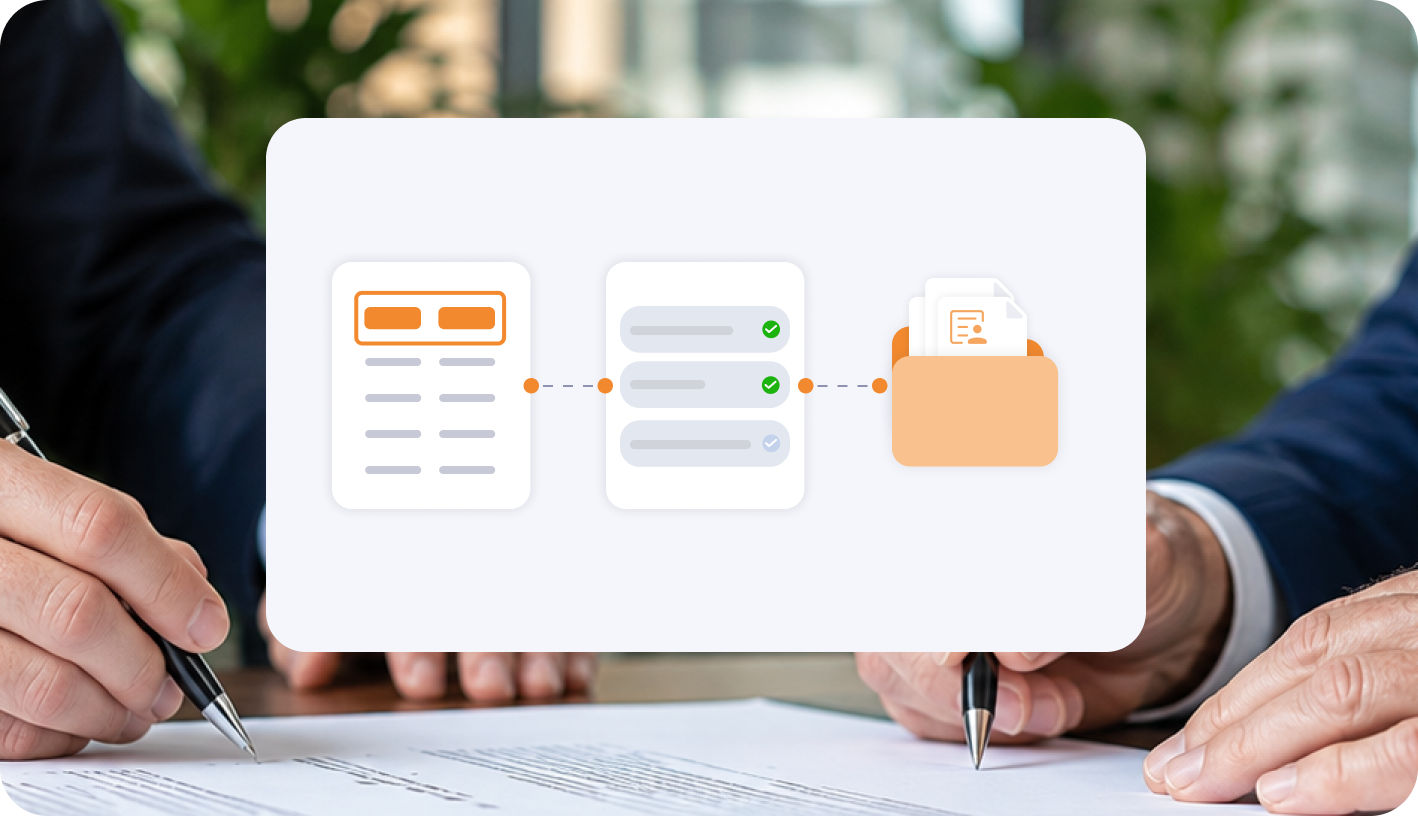
The closing workflow works together to make a sum worth more than the whole of its parts into one unified system. Quantum Grid confirms the deal is in the right state. Action Tracker logs every task to get right numbers. Closing Engine generates the final package from data that's already locked. None of it replaces the lawyer or the IC — it gives them a foundation to trust and verify.
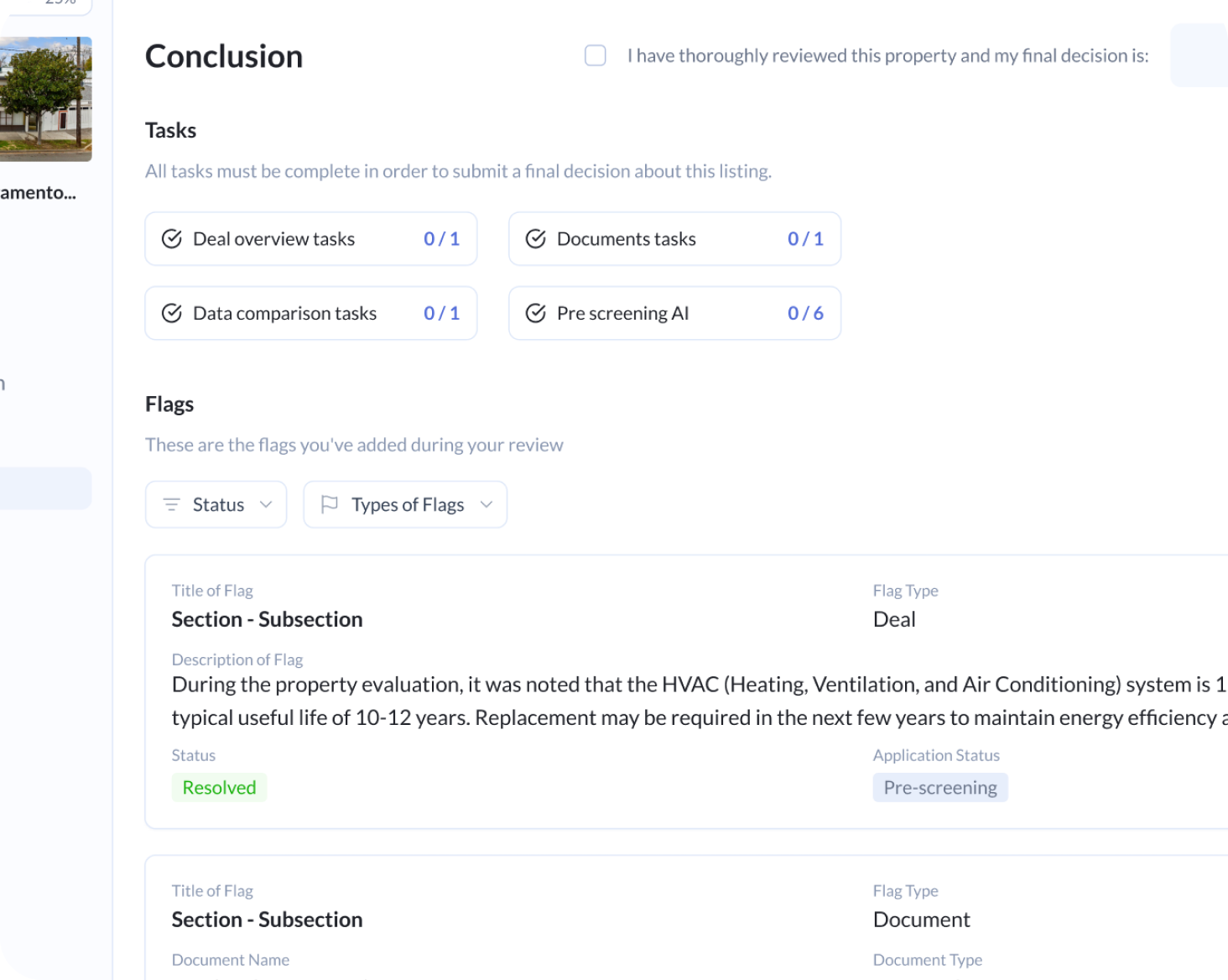
Infinite Detail In A Click
Dynamic views confirms the deal is right before it ships.
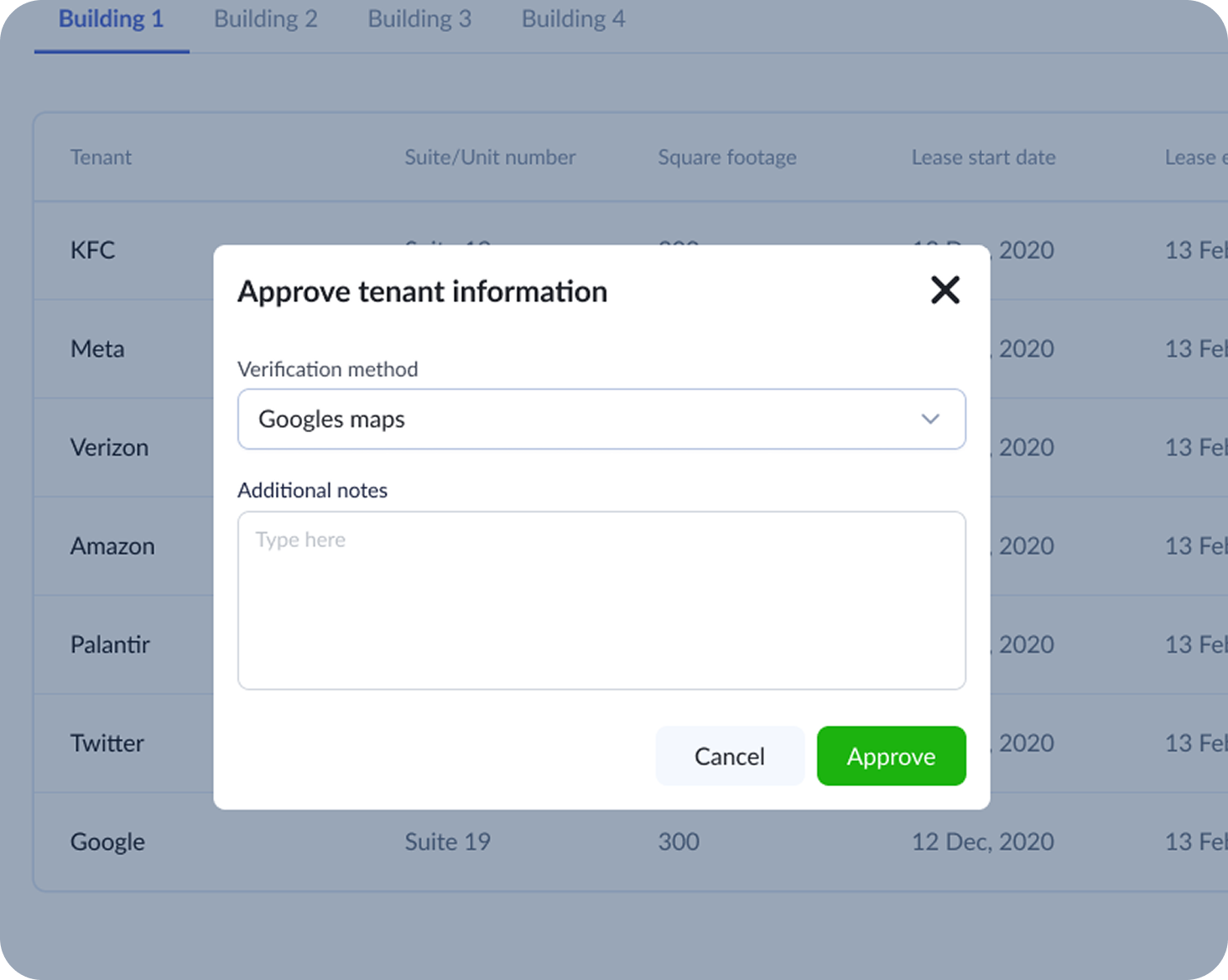
The Rent Roll Says. We Verify.
Real tenants. Verified before you close.
Now See How Much It's Already Costing You
How Much Time Are You Unknowingly Losing?
The costs you've normalized are still costs. Enter your deal volume to see the hours your team is spending on manual research — now visible as a real number on your screen.
Tell us about your current deal process
Deals with at least BOE analysis per month
30
Select your workflow steps
These numbers seem crazy to you?
Talk to Sales to try to prove it's not possible$0
Your potential annual savings with KOPA Hub Verus
ROI calculation is a conservative estimate only and not guaranteed
Frequently Asked Questions
Frequently Asked Questions
What happens if terms change during the final week of a deal?
Is there really no dedicated software for closing yet?
How does KOPA Hub Verus Close Suite reduce last-minute errors and protect against bad-faith term slippage?
Does this replace our closing checklist or our attorneys?
Who actually benefits from a tool like this at closing?
The Ceiling Isn't the Deal. It's the Close.
What Could Your Team Do Without the Closing Bottleneck?
This Is Just the Tip of the Iceberg
More Ways KOPA Hub Helps You Win
KOPA Hub's benefits make your work faster, safer, and more accurate — across every stage of the deal, not just Share.